

 Apple Podcasts
 Spotify
 PocketCasts
 Overcast
 iHeartRadio
 Amazon Music
 Youtube Music
 Goodpods
 Podchaser
 Podcast Addict
 RSS Feed
 Ep 41: Lost in Translation
What can some poorly translated instructions teach us about how we trust in God?
Topic:
- What can some poorly translated instructions teach us about how we trust in God?
Discussion Questions:
- Why do we often struggle against God’s wisdom?
- What are some ways we can be better students of God’s word?
- What is our attitude when we find those situations in scripture where things don’t seem to make sense?
Resources For This Episode:
Speaker1: Well. Good morning. I'm Daniel Daub and this is for your Sunday morning drive. The short podcast designed to help put you in a Colossians three two mindset and help recenter your mind on spiritual things on those hectic Sunday mornings. We are brought to you in partnership with the Ministry League Network of podcasts. You can find a link in the show notes of today's episode to find some great resources to help you spiritually. I hope everyone's having a wonderful morning. Let's go ahead and get into today's episode. This is episode 41, Lost in Translation. Let's go to church.
Speaker2: Are we there yet?
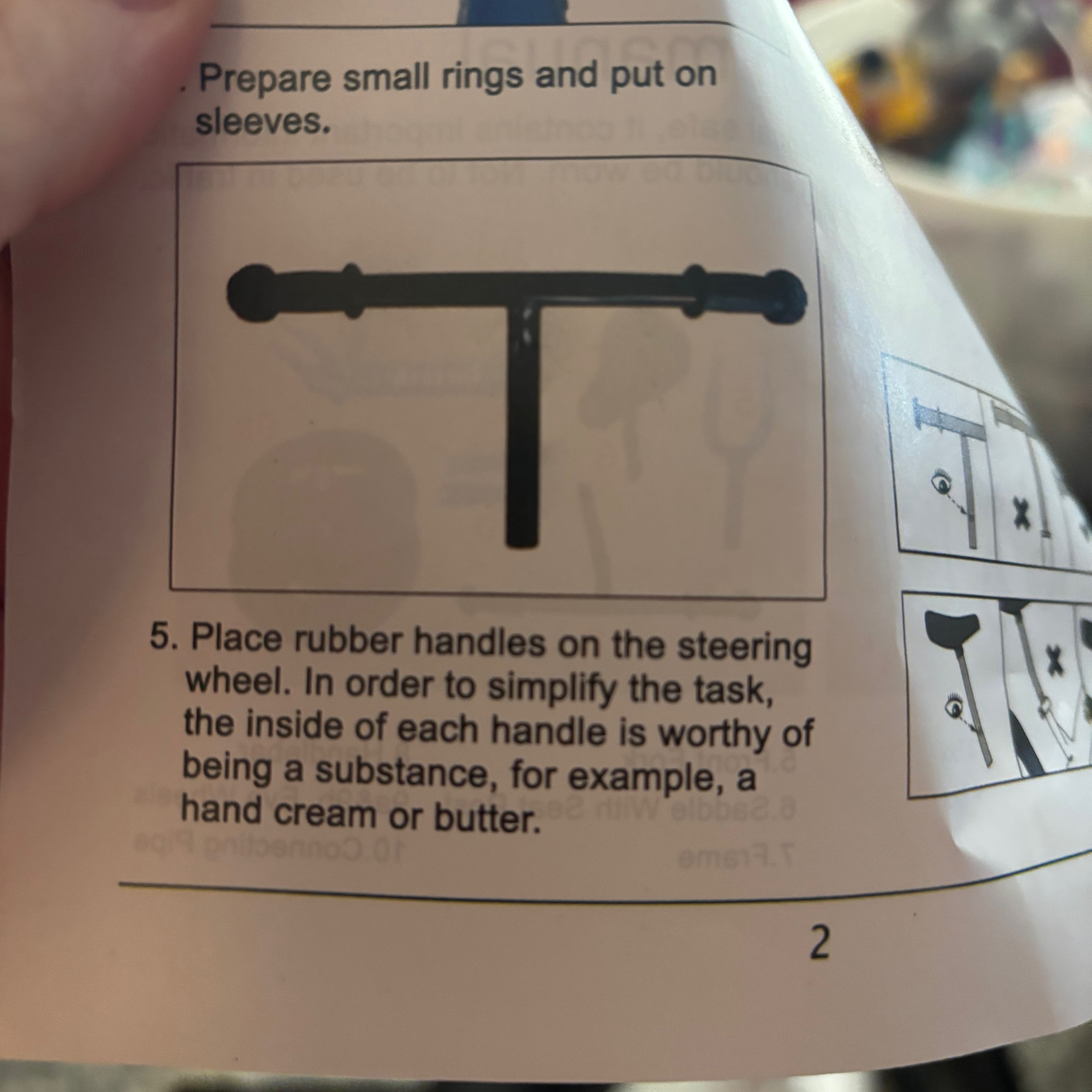
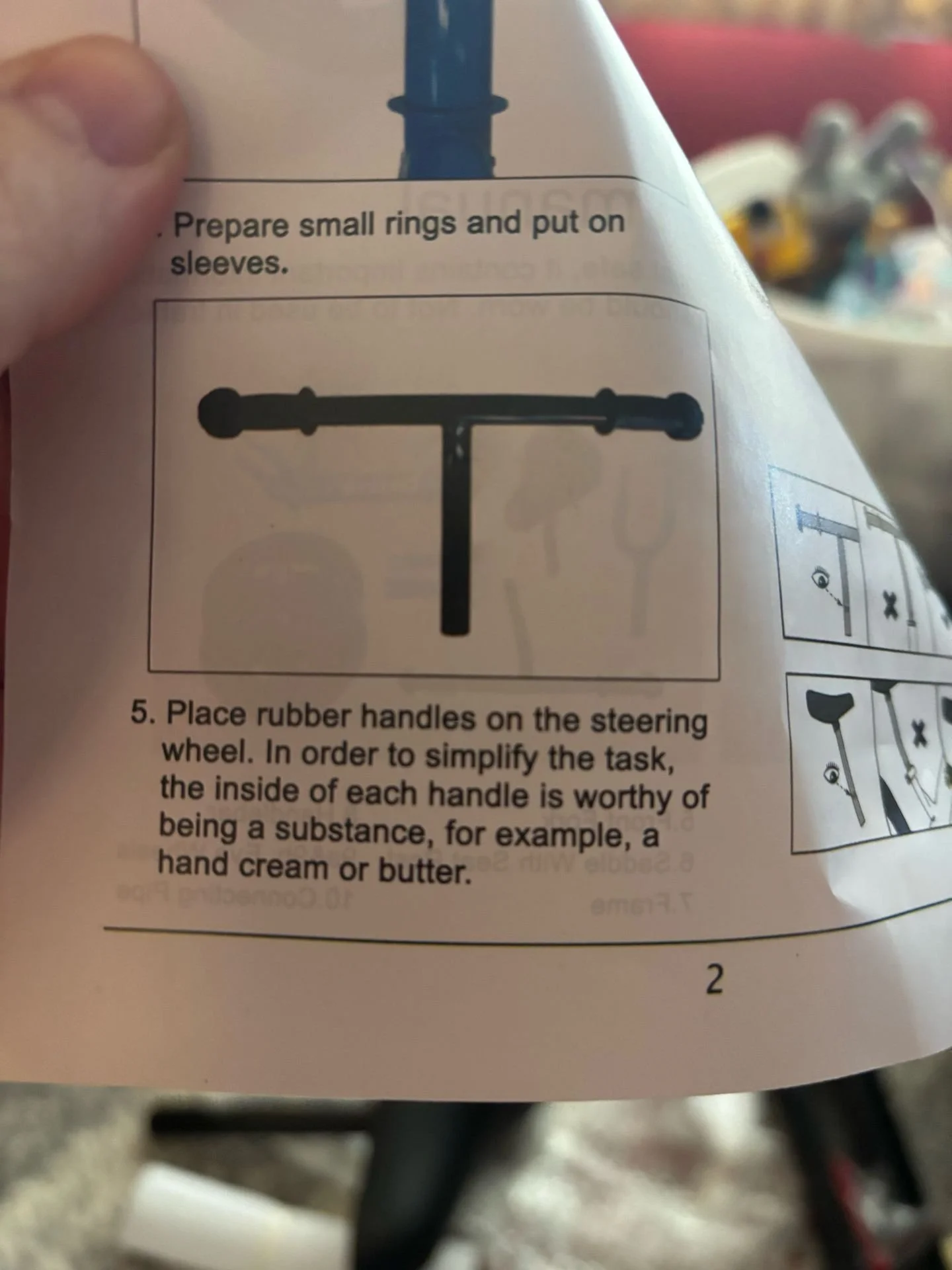
Speaker1: At the time of this recording, we aren't terribly far removed from the Christmas season. And for those of us that are parents, that generally means that Santa brought some toys for the kids that might best be described as some assembly required, and in these moments, the wise parent will break out the instructions. But what happens when they don't make sense? For instance, my son Dorian was given a bicycle from my parents for Christmas and after digging through the box of various parts, I pulled out the instruction sheet and they were, for the most part, pretty straightforward. But then I got to some steps where, well, let's just say some things were lost in translation. For example, step five, the step that was clearly about mounting the handlebars. The instructions read place rubber handles on steering wheel in order to simplify the task. The inside of each handle is worthy of being a substance. For example, hand cream or butter. What? Now, I didn't go and get the hand cream or the butter worthy substances as they are and slather them all over the handlebars. But even in my confusion, I got what it was trying to say. It was trying to say put the handlebars on the bike. And yeah, while the instructions didn't make sense, they got the job done all the same. And this reminds me of several times throughout the Bible where God gives his people instructions that from a human point of view and with a human's limited wisdom, don't make any sense.
Speaker1: But God promises an outcome that is desired anyway. For example, like when God gives Joshua and the Israelites the instructions to march around Jericho and blow some trumpets in Joshua chapter six, verses two through five. And the Lord said to Joshua, see, I have given Jericho into your hand with its king and the valiant warriors. You shall march around the city, all the men of war circling the city at once, and you shall do so for six days. Also seven priests shall carry seven trumpets of rams horns before the ark. And then on the seventh day you shall march around the city seven times, and the priests shall blow the trumpets. And it shall be that when they make a long blast with the ram's horn, and you hear the sound of the trumpet, all the people will shout with a great shout, and the walls of the city will fall down flat and the people will go up every man straight ahead. The promise. The result of the action is clear. A victory over Jericho. The walls will fall down. But the instructions? Well, they don't make much sense. Or maybe we think of Noah in Genesis chapter six.
Speaker1: When God tells Noah to build a huge boat, fill it with animals, and that the end of all flesh is at hand. Now the promise again is clear that Noah and his family would be delivered in a covenant will be established. But again, the instructions I don't make sense. Or maybe we think of Abraham when he is commanded, tested by God to sacrifice his only son. Genesis chapter 22, verses one and two. Now it came about after these things that God tested Abraham and said to him, Abraham. And he said, here am I. And he said, go now, and take your son, your only son, whom you love, Isaac, and go to the land of Moriah, and offer him there as a burnt offering on offering on one of the mountains, of which I will tell you the promise. The promise is clear. The Son of promise is Isaac, through which God will make Abraham a great nation. But the instructions don't make a lot of sense. And there's plenty more examples that we can think of. Gideon, job, many others. And maybe whenever I say that the instructions don't make sense, maybe instead I should say that God's motives and his plans aren't completely clear to us in the moment. But regardless, what is one to do in this situation? Well, from Noah, Abraham, and Joshua's perspective, it's pretty clear trust in God.
Speaker1: Well, then we come to the New Testament, and yes, maybe we find some of the teachings of Christ difficult. Maybe we struggle because some of the instructions don't make sense to us. John chapter three, verse five Jesus answered, truly, truly, I say to you, unless one is born of water and the spirit, he cannot enter into the kingdom of God. What are we to do? Well, yes, we should dig deep into Scripture and come to an to an understanding. But we must also realize that sometimes, that often from a human standpoint, while the promise is clear, the instructions might not be. First Corinthians chapter three, verse 19. For the wisdom of this world is foolishness before God. For it is written, he is the one who catches the wise in their craftiness. The short answer trust in God. He knows what he's doing. Well, those are my thoughts for your Sunday morning drive. Now it's time to hear yours. Our discussion questions for this week are. Why do we often struggle against God's wisdom? What are some ways we can be better students of God's Word? And what is our attitude when we find those situations in Scripture where things just don't seem to make sense?